Energy, Mobility and Climate Change Adaptation
in the St. Anton am Arlberg Region
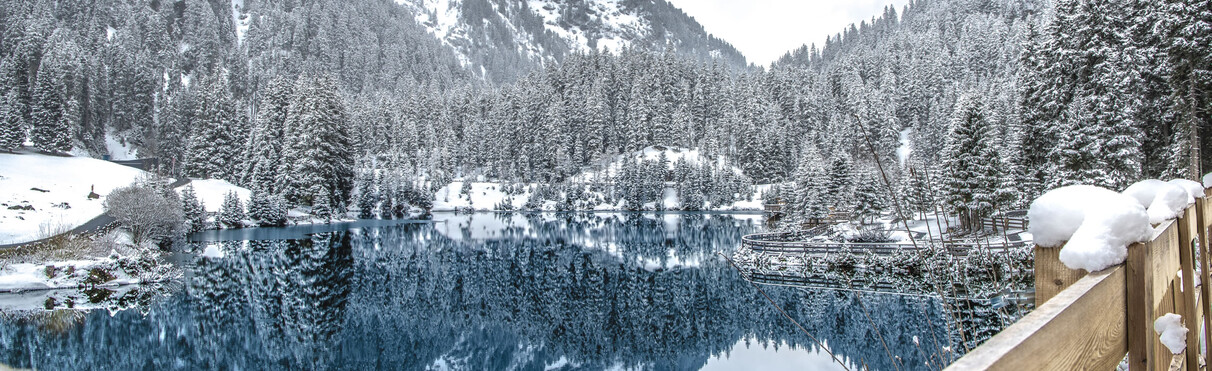
St. Anton am Arlberg is shaped by its Alpine landscape and by the people who live, work and spend their holidays here. At the same time, the region faces a range of challenges relating to energy supply, mobility, the use of resources and the effects of climate change.
In response, specific measures have been introduced and further developed in selected areas. These include hydropower generation, the expansion of the local district heating network, climate change adaptation projects, mobility services and technical solutions for piste management.
This page provides an overview of existing projects, current developments and key figures.
Hydropower
Hydropower has been part of St. Anton am Arlberg’s energy supply for many years. EWA – Energie- und Wirtschaftsbetriebe der Gemeinde St. Anton GmbH – operates three hydroelectric power stations: Moosbach, Rosanna and Kartell. Together, they generate approximately 52 GWh of electricity per year.
By comparison, the approximately 1,400 customers within the supply area consume around 30 GWh of electricity each year. Electricity generated in excess of local demand is sold on.
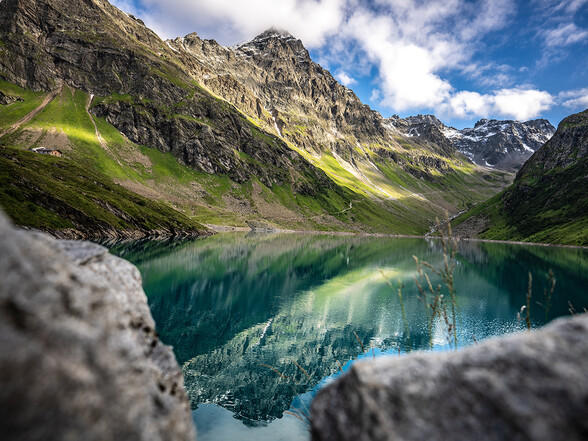
One particular feature of the system is that the water is used at more than one stage. Water from the Kartell reservoir is first used to generate electricity at the Kartell power station and is subsequently used again at the Rosanna power station.
Further information is available at:


Adapting to the Effects of Climate Change
Since 2021, St. Anton am Arlberg has been part of KLAR! Arlberg Stanzertal extern. KLAR! is Austria’s climate change adaptation model regions programme.
Its focus is on how municipalities and regions can prepare for the effects of climate change that are already being experienced as well as those expected in the future. Together with the other municipalities in the region, specific measures are developed and implemented.
Activities range from information and awareness initiatives to projects relating to landscape and watercourse development, as well as examining the effects of climate change on tourism and recreational activities.
The focus is not on making broad promises, but on implementing practical adaptation measures and sharing knowledge and experience throughout the region.
By Train Directly to the Village Centre
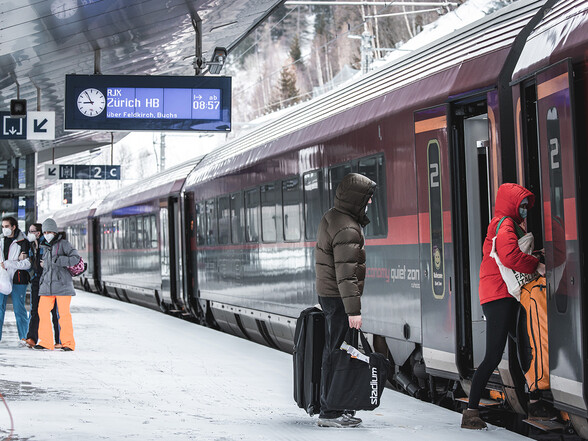
St. Anton am Arlberg railway station is located directly in the village centre and offers both national and international rail connections.
From the station, many accommodation providers, restaurants, shops and cable cars can be reached on foot or by public transport. Rail services are complemented by local bus connections within St. Anton am Arlberg and throughout the Stanzertal valley.
Current timetables and connections can be found here:
District Heating Network for St. Anton am Arlberg
A district heating network has been operating in St. Anton am Arlberg since 2020. What began with 64 customers and approximately 5,700 metres of pipework has been continuously expanded in recent years.
Today, 103 customers in the village centre are supplied through a network measuring 6,225 metres in length.
In summer 2026, the heating plant was expanded to include a second biomass boiler and a power-to-heat system. There are also plans to extend the network towards Nasserein and Oberdorf in the future.
According to current calculations, the district heating system can avoid the use of approximately two million litres of heating oil and around 5,000 tonnes of CO₂ each year compared with the energy sources previously used.
Further information is available at:
Targeted Snowmaking
Winter sports are a key part of the tourism offering in the St. Anton am Arlberg region. At the same time, operating a ski area requires extensive infrastructure and the careful use of resources.
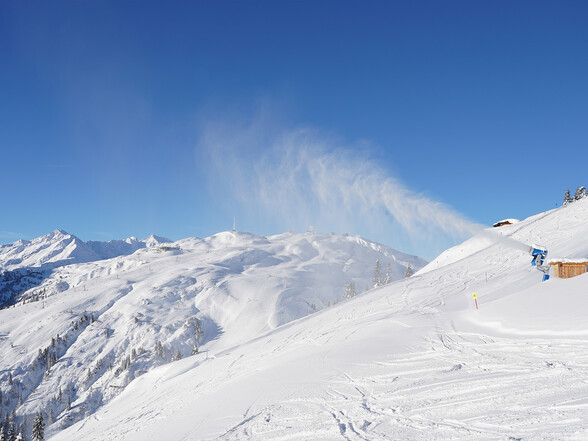
Currently, around 89 per cent of the piste area in St. Anton am Arlberg can be covered by snowmaking.
Only water and air are used for snowmaking. Digital systems also support planning and operations: GPS-based snow-depth measurements in piste grooming machines show how much snow is available at different points across the slopes.
This data helps operators tailor piste preparation and snowmaking to the existing snow depth and apply only the amount required.
Further Information
More detailed information on the individual projects and measures is available from the respective project partners and organisations: