Ski mountaineering in St. Anton am Arlberg
Experience the Arlberg through your own strength – exploring the open ski terrain
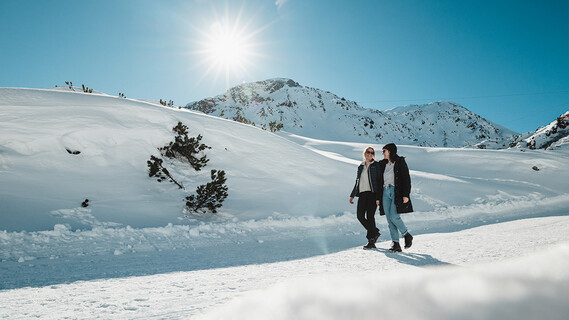
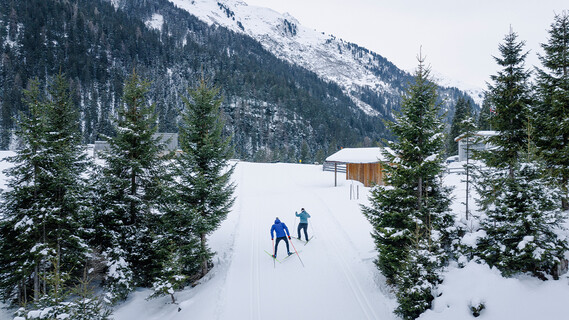
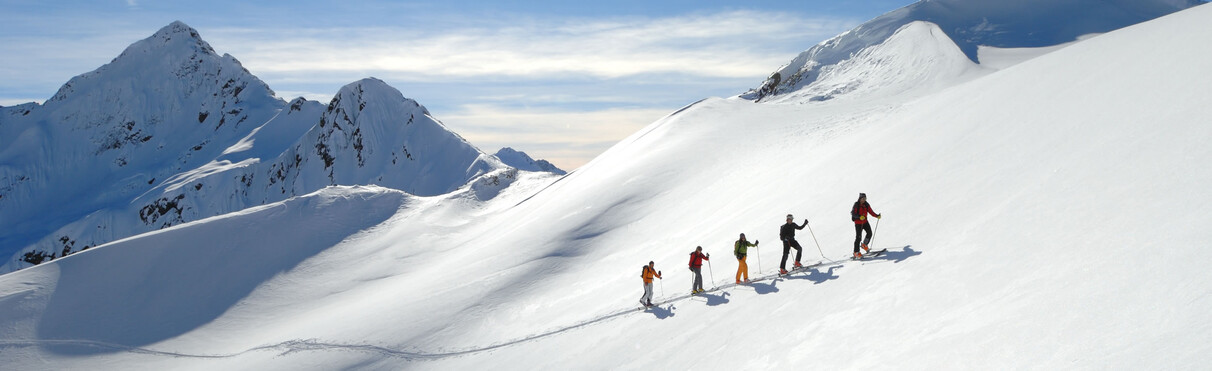
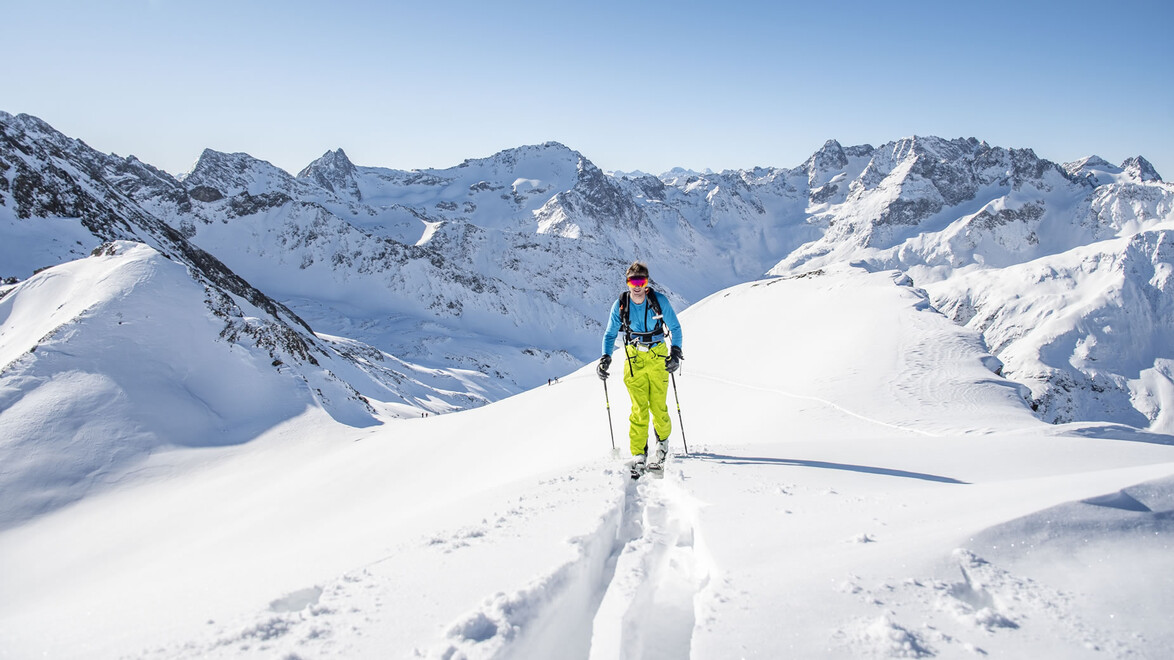
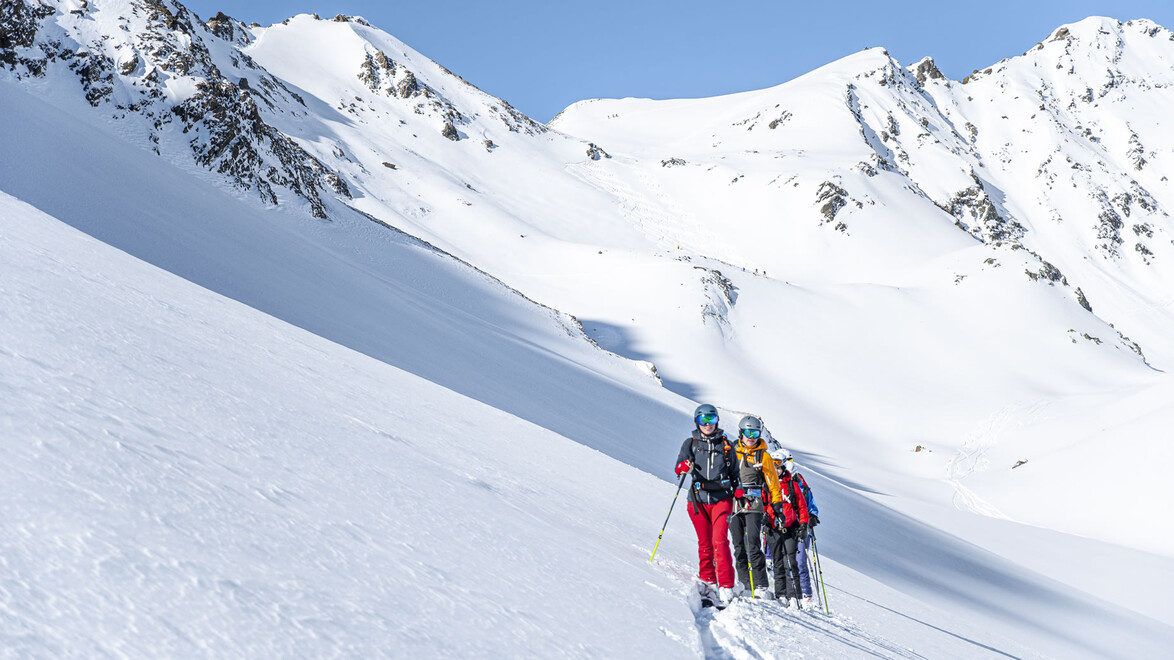
Ski mountaineering is an important part of the mountain sports culture of the Arlberg. Away from the groomed slopes, ski tours combine athletic challenges, immersive experiences in nature, and the unique beauty of the winter mountain landscape around St. Anton am Arlberg.
However, anyone venturing into the backcountry bears responsibility. The risk of avalanches, weather conditions, snow cover, terrain, and your own abilities must be taken into account on every tour. Careful route planning, alpine experience, and a complete set of avalanche and emergency gear are therefore indispensable.
Safety on ski tours: preparation is key
Conditions in the snow-covered mountains can change rapidly. Therefore, before every ski tour, check the current weather report as well as the snow and avalanche conditions, and adjust your destination and route according to the current conditions. The current avalanche report provides information on the danger level, avalanche conditions, elevations, and particularly affected exposures among other things. View the current avalanche report extern
Important: An avalanche report is no substitute for alpine experience or for assessing the situation directly in the terrain. Remember to save the most important emergency numbers in your cell phone before you set off so they are easily accessible.
What avalanche equipment should you take on every ski tour?
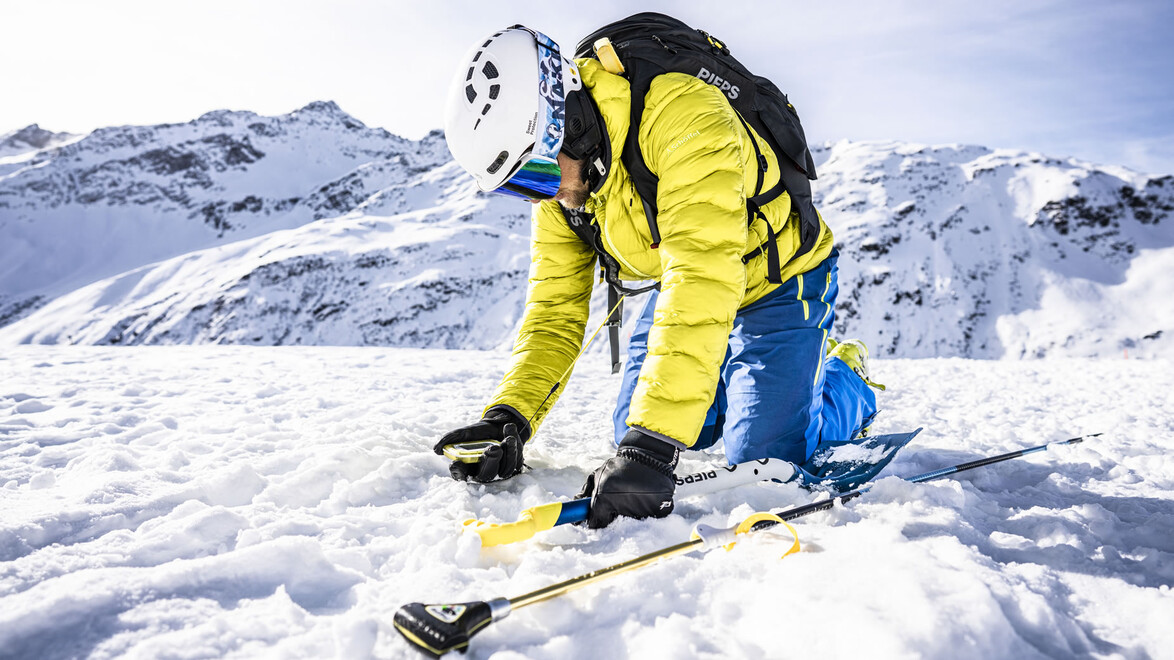
Anyone leaving the secured ski area should be fully equipped and know how to use their equipment proficiently. Standard emergency equipment includes:
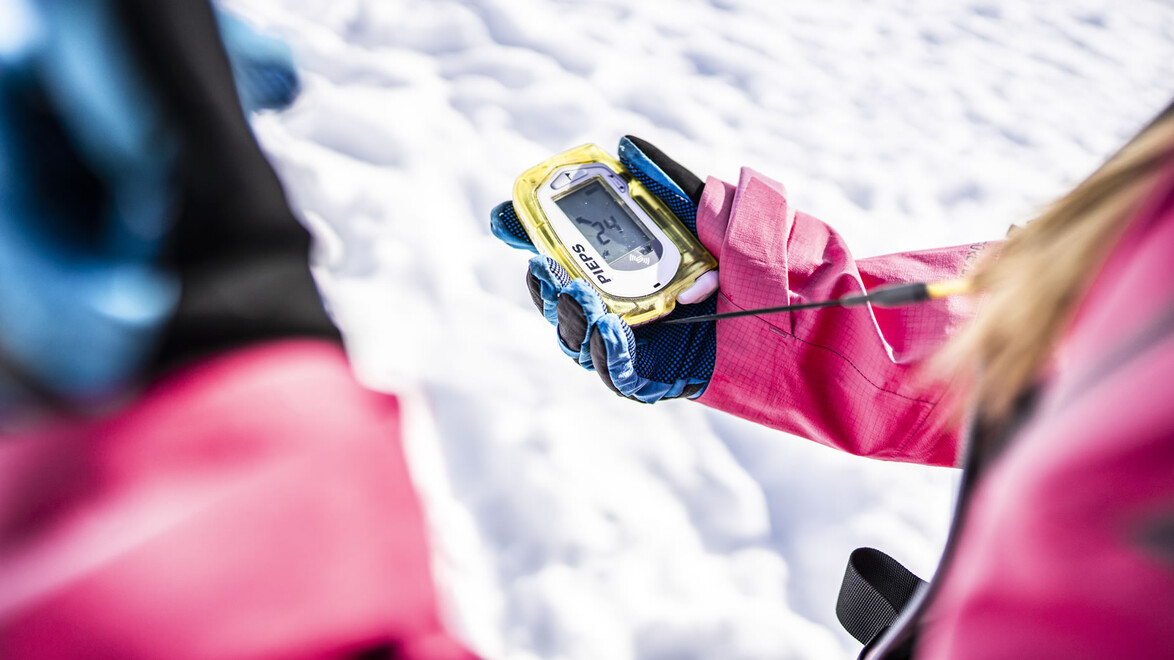
- Avalanche transceiver—turned on and worn on the body
- Avalanche probe
- Avalanche shovel
- First-aid kit
- Cell phone
An avalanche airbag can further increase the chances of survival in the event of an avalanche. The Austrian Alpine Club lists an avalanche transceiver, probe, and shovel, as well as a first-aid kit, bivouac sack, and cell phone, as standard equipment for tours off-piste.
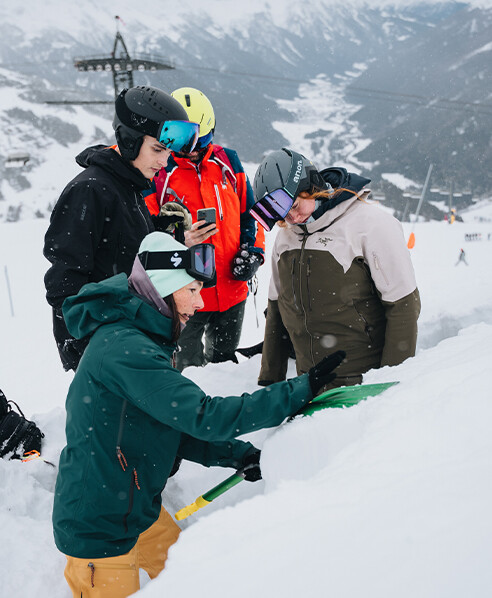
It is not enough just to carry the right equipment: Avalanche transceiver searches, probing, shoveling, and first aid must be practiced regularly. At Rendl, there is a training area in the Salzböden area specifically for ski mountaineers and freeriders, available free of charge. Avalanche transceivers can be checked at the avalanche transceiver checkpoints in the ski area. Even so, it is essential to conduct a group check before starting the tour.
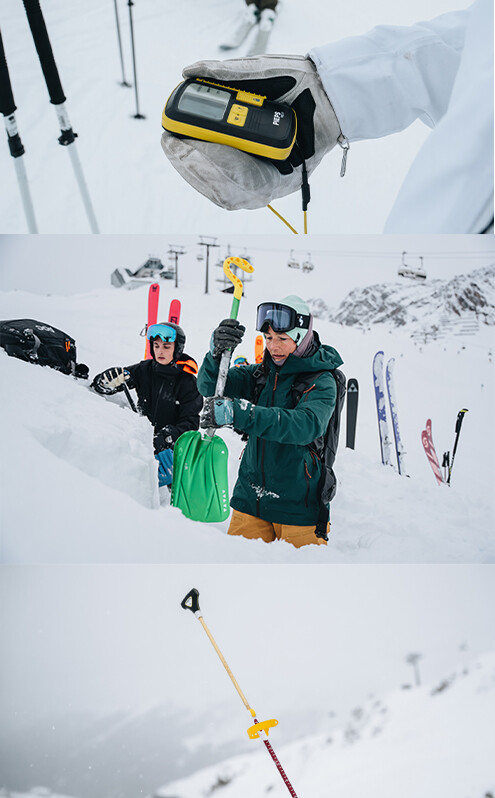
Equipment alone does not make a tour safe
Avalanche gear is emergency gear—it does not prevent avalanches. Thorough route planning, an accurate assessment of snow conditions and terrain, and responsible decision-making are crucial. If you are unsure, adjust your route, turn back, or head out with a professional guide.
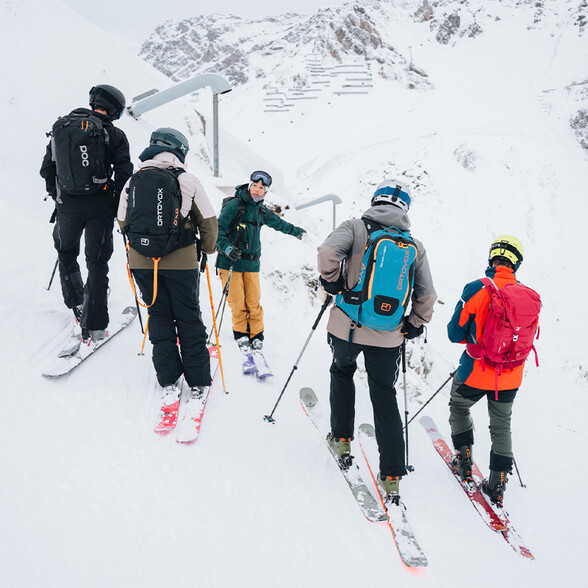
Ski tours with mountain and ski guides in the Arlberg
For those who want to explore the mountains beyond the ski resort, a guided ski tour with a state-certified mountain and ski guide is highly recommended. Guides that are familiar with the area know the terrain in the Arlberg region and take current snow, weather, and avalanche conditions into account when planning tours.
In St. Anton am Arlberg, there are several alpine schools as well as mountain and ski guides available for guided ski tours and alpine adventures.


Plan safely. Make informed decisions. Experience the Arlberg.
Ski tours in the St. Anton am Arlberg area offer a unique perspective on the winter mountain landscape. To ensure that the experience remains the focus, every tour requires respect for the alpine terrain, a full set of avalanche safety equipment, and well-informed decision-making.
Anyone who is unable to accurately assess the conditions or the terrain is well advised with a professional mountain or ski guide.
Check snow, weather, and current conditions
In addition to the avalanche report extern, local monitoring stations extern help with tour planning. Stations at Galzig, Rendl, Gampberg, and Alpe Dawin measure, among other things, snow depth, wind, and air temperature.
Webcams and snow reports can also give you a first impression of the current conditions. When deciding on a ski tour, however, the entire weather and avalanche situation, as well as the terrain conditions, are always the determining factors.

Image gallery


Chosen for you